Sea freight in 2025: what will change
In 2025 sea freight is shaped by the economy, geopolitics and new technology. Here is what to expect from volumes, rates, fleets and routes.
Volumes are growing
Maersk forecasts that global container volumes will grow by 4% in 2025. Risks remain, though: rate swings and the situation in the Red Sea may affect shipping costs and the plans of major players.
Freight rates may fall
Analysts expected sea freight rates to fall by 20% by the end of Q1 2025 — provided the Red Sea calms down. After that, prices will depend on the economy and fuel costs.
Smaller ships instead of giants
Shipowners are moving to small and mid-size vessels: trade routes are diversifying and fleets need to adapt faster. Only six new ships above 17,000 TEU were expected in 2025, while the number of mid-size container ships (12,000–16,999 TEU) was set to grow to 83.
New routes
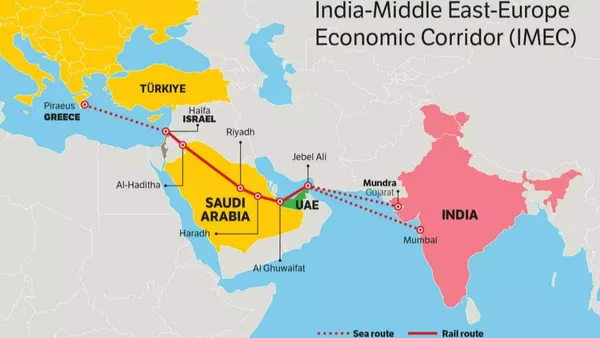
From April 2025 Ocean Alliance, the largest shipping alliance, planned to launch a new global container network. Alternative routes are also developing to replace congested and unstable corridors.
Duties and tariffs
New duties, especially in US–China trade, may raise carriers’ costs and therefore prices for buyers. Shipping lines are responding by changing routes and revising rates.
Sustainability
Stricter environmental rules are pushing the industry towards cleaner fuel, with more ships running on LNG and alternative energy.
Digitalisation, fleet renewal, new routes and green standards — companies will have to adapt to stay competitive. We follow these changes and find you up-to-date lines and rates.